What a buyer-grade export spec sheet contains
Why does a buyer need a spec sheet?
The person who receives your quotation usually forwards it: to their quality team, their purchasing manager or their own customer. A spec sheet is the document that travels. If it is complete and clean, it argues for you in meetings you will never attend. If it is missing, or a photo of a handwritten page, it argues against you.
What goes on a buyer-grade spec sheet?
| Section | What to include |
|---|---|
| Header | Your company name, a product reference and a version number |
| Product | Product name as you sell it, and the grade |
| Key specifications | The 3 to 6 parameters you test for, each with its limit or range, for example moisture (max), cut size (range) or colour |
| Packing | Pack type and weight, for example a lined carton of a stated net weight |
| Order | Minimum order quantity, for example one 20 ft container |
| Origin and port | Where it is made and which port you usually ship from |
| Footer | Company contact, website and the date the sheet was issued |
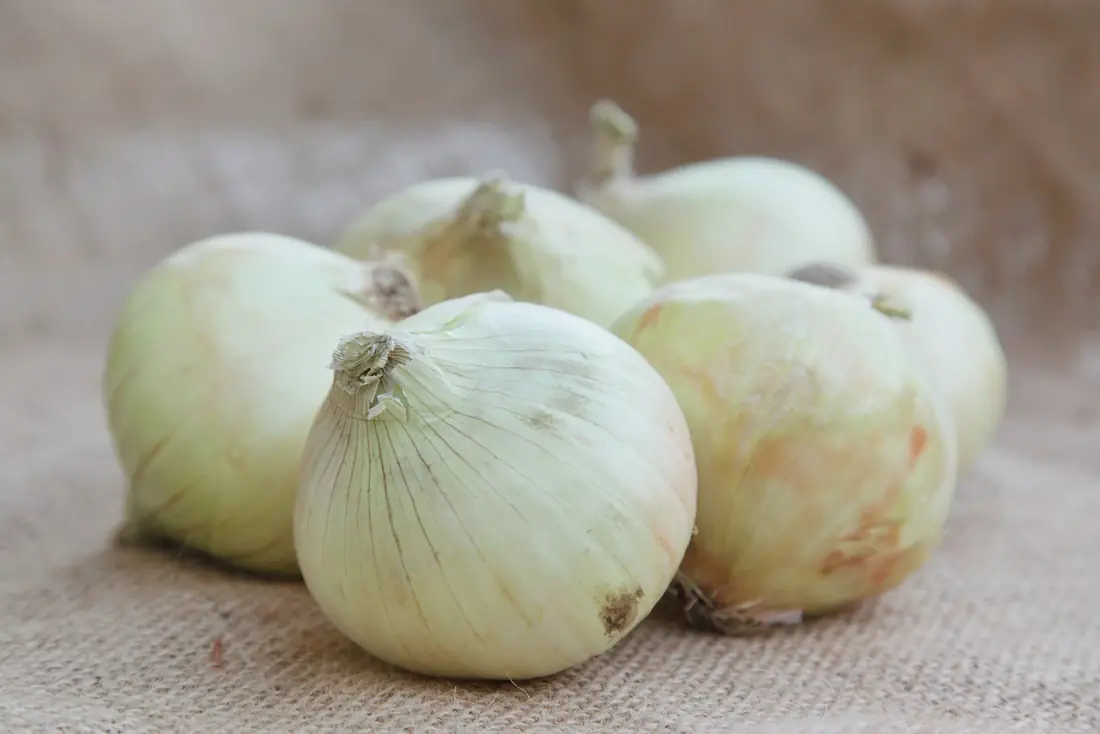
Grade A · Origin: Mahuva, Gujarat, India
| Grade | Grade A |
|---|---|
| Packing | 14 kg double-poly lined carton |
| MOQ | 1 × 20 ft container |
| Total plate count | per buyer specification |
What do buyers for EU retail ask for?
A buyer who supplies supermarkets or food brands in Europe usually needs more than the core sheet. Expect questions on these, and add them to the sheet once you have real results to show:
- Microbiology: the microbial parameters you test for, with limits, for example total plate count, yeast and mould, and absence of pathogens such as Salmonella.
- Pesticide residues: whether your lots are tested against the EU's maximum residue levels (MRLs), which the European Commission publishes per product [3]. Say how and where you test.
- Allergen statement: which allergens the product contains, and whether it is handled alongside any in your facility.
- GMO statement: whether the product is or contains genetically modified material.
The exact parameters and limits come from your buyer's specification and the destination's rules, not from this guide. Ask the buyer for their spec before you test.
What should you leave out?
- Parameters you don't actually test for.
- Certification logos you don't hold. Which certifications you need is a question for your buyer.
- Claims a buyer can't check, such as "best quality" or "No. 1 exporter".
- Prices. They change; the spec sheet shouldn't have to.
How do you keep it current?
Give every sheet a version number and an issue date. When a spec, packing or MOQ changes, issue a new version and replace the old file everywhere: on your website, in your reply templates and with your team. A buyer who sees a recent date trusts the figures more.
Where do the official requirements come from?
A spec sheet is a commercial document, not a regulatory one. For product standards, labelling and export rules that apply to food and agro products, use the official sources: APEDA for scheduled agricultural and processed food exports [1], and FSSAI for food safety standards [2]. This guide is not legal or regulatory advice.
Sources
- Agricultural and Processed Food Products Export Development Authority (APEDA), Government of India
- Food Safety and Standards Authority of India (FSSAI), Government of India
- EU Pesticides Database (maximum residue levels), European Commission
Checked 27 October 2026. This guide is general information, not legal or tax advice.